
Modernizing a High-Risk Public-Facing Assistance Platform for FloodHelpNY
De-risking a mission-critical system where outages would block aid, disrupt operations, and undermine public trust.
Services Provided
High-Risk System Modernization, Risk-aware Evolution of Public-facing Rails Systems, Assessment-first Approach
Product Type
Technologies Used
Public Assistance Platform
Ruby on Rails
Product Type
Public Assistance Platform
Technologies Used
Ruby on Rails
Project Highlights
Platform supported increased usage without service interruptions during critical periods
Changes can be introduced without fear of stranding applicants or breaking downstream workflows
Homeowners, staff, and partner organizations experienced a stable, dependable system during times of need
About
FloodHelpNY is a public assistance platform operated by the Center for NYC Neighborhoods to help homeowners recover from flooding and access critical relief programs.
The platform sits at the intersection of government programs, nonprofit operations, and public trust. When it fails, the consequences are immediate and human: people cannot access aid, staff cannot process applications, and credibility with partners and agencies is damaged.
Def Method was engaged to modernize FloodHelpNY's core systems without disrupting live assistance workflows, at a time when demand was high and failure was not an option. This was a system where breaking things was expensive, even if no revenue was directly involved.
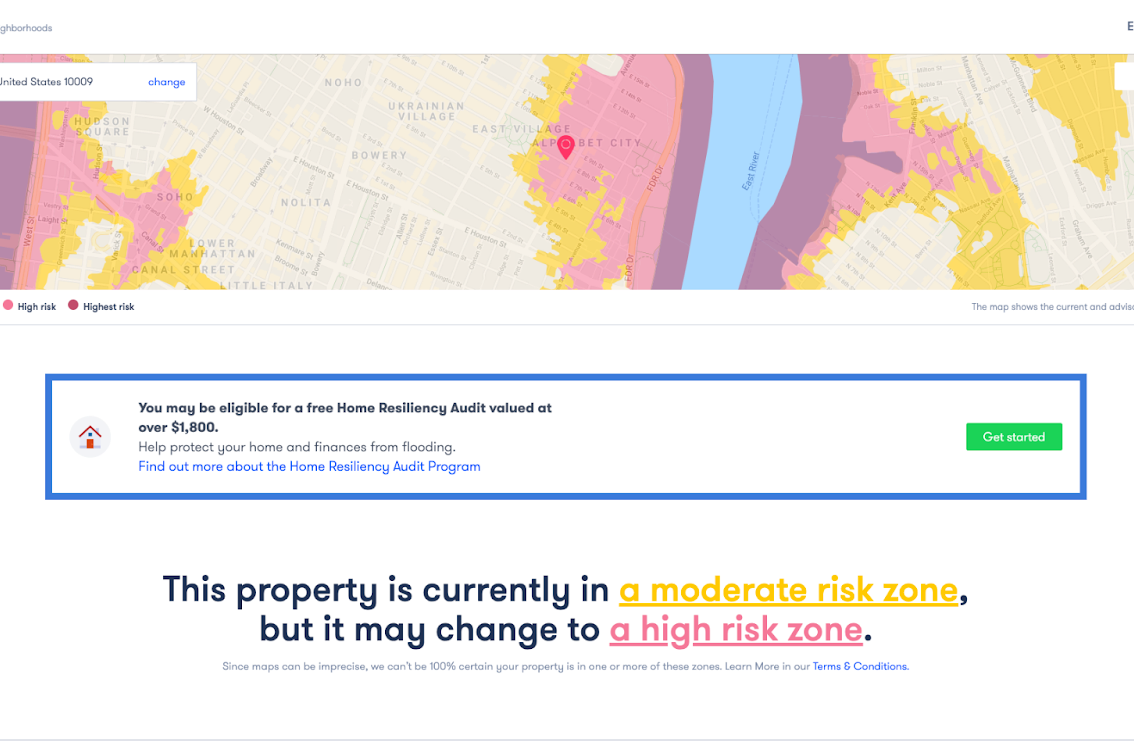
Challenge
FloodHelpNY's systems needed to evolve under pressure. As usage increased and program requirements changed, the existing platform became harder to modify safely. Changes affected multiple dependent workflows, and mistakes were difficult to roll back once applicants were in progress. This created several high-risk conditions:
Reliability risk — Downtime or regressions would prevent homeowners from applying for aid and halt caseworker operations.
Operational irreversibility — Once applications were submitted, state and workflow made rollback complex. Errors could strand applicants or require manual remediation.
Reputational and trust risk — Failures would undermine confidence among homeowners, partner organizations, and public agencies relying on the platform.
Modernization was clearly necessary — but moving too quickly or attempting a rewrite would have introduced unacceptable risk.
Solution
We treated this engagement as high-risk modernization, not a feature build. Before expanding functionality or restructuring workflows, we focused on de-risking change:
Stabilize core workflows first — We identified the paths where failure would most directly impact applicants and staff, and ensured those flows were protected before any broader change.
Introduce safe boundaries for evolution — Changes were structured to minimize coupling between user-facing workflows and internal processing logic, reducing blast radius.
Modernize incrementally under live usage — All work was performed while the platform remained in active use, preserving continuity for applicants and caseworkers.
The modernization focused on making FloodHelpNY safer to change while supporting growing demand. Core application and intake workflows were stabilized and clarified. Internal processes were modernized to reduce operational friction. The system became more resilient to changes in program rules and volume. Caseworkers and staff could operate with confidence that updates wouldn't disrupt applicants. Importantly, modernization did not mean rewriting the platform. It meant making necessary change possible again without risking outages or applicant harm.
Results
The modernization delivered outcomes aligned with the system's risk profile. The platform supported increased usage without service interruptions during critical periods. Changes could be introduced without fear of stranding applicants or breaking downstream workflows. Homeowners, staff, and partner organizations experienced a stable, dependable system during times of need. FloodHelpNY now has a foundation that can continue to adapt as programs and requirements change.
In a system where failure directly affects people seeking help, modernization succeeded by prioritizing safety over speed.
High-risk systems aren't limited to finance or regulated industries. When platforms support real people, real operations, and real commitments, the cost of failure is just as high — even if it doesn't show up as revenue loss. This engagement demonstrates Def Method's core approach: modernizing systems by de-risking change first, so organizations can move forward without breaking what matters most.